
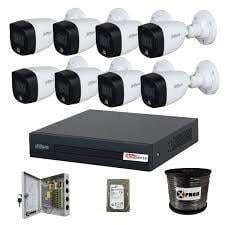
Office Security Systems Guide
Office Security Systems Guide
When it comes to office security systems, you need a multi-faceted approach to keep your workplace safe. Start with surveillance systems like CCTV and motion detectors to deter intruders. Access control solutions, such as keycard and biometric systems, ensure only authorized personnel can enter sensitive areas. Don’t forget alarm systems for immediate alerts during breaches. Lastly, strong cybersecurity measures protect your digital assets. Keep these essentials in mind, and you’ll discover even more ways to enhance security.
Key Takeaways
- Implement a combination of CCTV and IP cameras for comprehensive surveillance and remote monitoring capabilities.
- Utilize access control solutions like keycard systems and biometric scanners to restrict entry to authorized personnel only.
- Equip your office with alarm systems, including motion detectors and glass break sensors, for immediate alerts on unauthorized access.
- Prioritize cybersecurity measures, such as strong passwords and employee training on phishing, to protect sensitive information.
- Regularly review and update security protocols and conduct audits to identify vulnerabilities and ensure preparedness.
Importance of Office Security
When you consider the safety of your workplace, it’s clear that office security plays a crucial role in maintaining a productive environment. A secure office reduces the risk of theft, vandalism, and unauthorized access, which can disrupt your daily operations and harm morale. Employees feel safer in a secure setting, leading to increased focus and productivity. Moreover, robust security measures protect sensitive information, ensuring that your business complies with regulations and safeguards its reputation. By investing in office security, you’re not just protecting assets; you’re also fostering a culture of trust and responsibility. Ultimately, prioritizing security creates a more stable and efficient workplace where everyone can thrive without the constant worry of potential threats.
Types of Surveillance Systems
An effective office security strategy often includes various types of surveillance systems tailored to meet your specific needs. You’ll find options like CCTV cameras, which provide continuous monitoring and can deter potential intruders. IP cameras offer higher resolution and remote access, allowing you to view footage from anywhere. Consider motion detectors that trigger alerts when movement occurs in restricted areas, enhancing your security. If you want to capture high-quality images, dome cameras are discreet and versatile. For larger spaces, panoramic cameras can cover wide areas with fewer blind spots. Each option has unique features to fit your office layout and security requirements. By selecting the right combination, you’ll create a robust surveillance system that protects your assets effectively.
Access Control Solutions
Integrating access control solutions into your office security strategy is crucial for managing who can enter your premises. By implementing keycard systems, biometric scanners, or mobile access solutions, you can easily restrict entry to authorized personnel only. These systems not only enhance security but also streamline access management, allowing you to track movements within your office.
You can customize access levels based on roles, ensuring sensitive areas remain secure. Additionally, integrating these solutions with your existing security systems creates a more cohesive approach. Regularly auditing access logs helps you identify potential security breaches early. Remember, effective access control is about balancing security and convenience, so choose a solution that fits your office’s unique needs while keeping your team safe.
Alarm Systems and Response Protocols
Effective access control solutions lay the groundwork for a robust security strategy, but alarm systems and response protocols take it a step further by providing immediate alerts and action plans in case of a security breach. When you install an alarm system, you’re ensuring that any unauthorized entry triggers an instant notification, allowing you to respond quickly. Choose a system that fits your office’s layout and security needs, whether it’s motion detectors, glass break sensors, or door alarms.
Once an alarm activates, having a clear response protocol is crucial. Train your staff on evacuation procedures and designate points of contact for emergencies. Regularly test your alarms and update your protocols to stay prepared. This proactive approach keeps everyone safe and minimizes potential damage.
Cybersecurity Measures for Businesses
While physical security measures are vital, cybersecurity is equally important for protecting sensitive company information. Start by implementing strong passwords and requiring multi-factor authentication for all employees. Regularly update your software and systems to patch vulnerabilities. Educate your team about phishing scams and the importance of not clicking on suspicious links or attachments. Use firewalls and antivirus software to safeguard against external threats. Regularly back up your data to prevent loss in case of a ransomware attack. Consider employing a cybersecurity firm for advanced threats and monitoring. Lastly, develop an incident response plan to minimize damage in the event of a breach. By taking these steps, you’ll significantly enhance your business’s cybersecurity posture.
Frequently Asked Questions
How Can Employees Contribute to Office Security?
You can contribute to office security by staying aware of your surroundings, reporting suspicious activity, securing personal belongings, following access protocols, and participating in security training. Your vigilance helps create a safer workplace for everyone.
What Are the Costs Associated With Implementing Security Systems?
Implementing security systems can range from a few hundred to thousands of dollars, depending on technology and installation needs. You’ll also need to consider ongoing maintenance costs and potential upgrades for optimal protection.
How Often Should Security Systems Be Updated or Maintained?
You should update or maintain security systems at least annually, or whenever there are significant changes in your environment. Regular checks ensure everything’s functioning properly and helps you stay ahead of potential security threats.
Are There Legal Requirements for Office Security Systems?
Yes, there are legal requirements for office security systems. You need to comply with local regulations, which may include data protection laws, fire safety codes, and emergency preparedness guidelines. Regularly check your compliance to avoid penalties.
How Can I Assess My Office’s Specific Security Needs?
To assess your office’s specific security needs, start by evaluating potential risks, identifying vulnerable areas, and considering employee input. Then, prioritize solutions based on budget, technology, and compliance requirements to enhance overall safety effectively.
In today’s world, securing your office is crucial for protecting your assets and ensuring a safe work environment. By implementing effective surveillance systems, access control solutions, and robust alarm protocols, you can deter potential threats. Don’t overlook cybersecurity either; it’s just as vital in safeguarding your sensitive information. Take the time to assess your security needs and invest in comprehensive solutions that keep your office safe, so you can focus on what really matters—growing your business.