
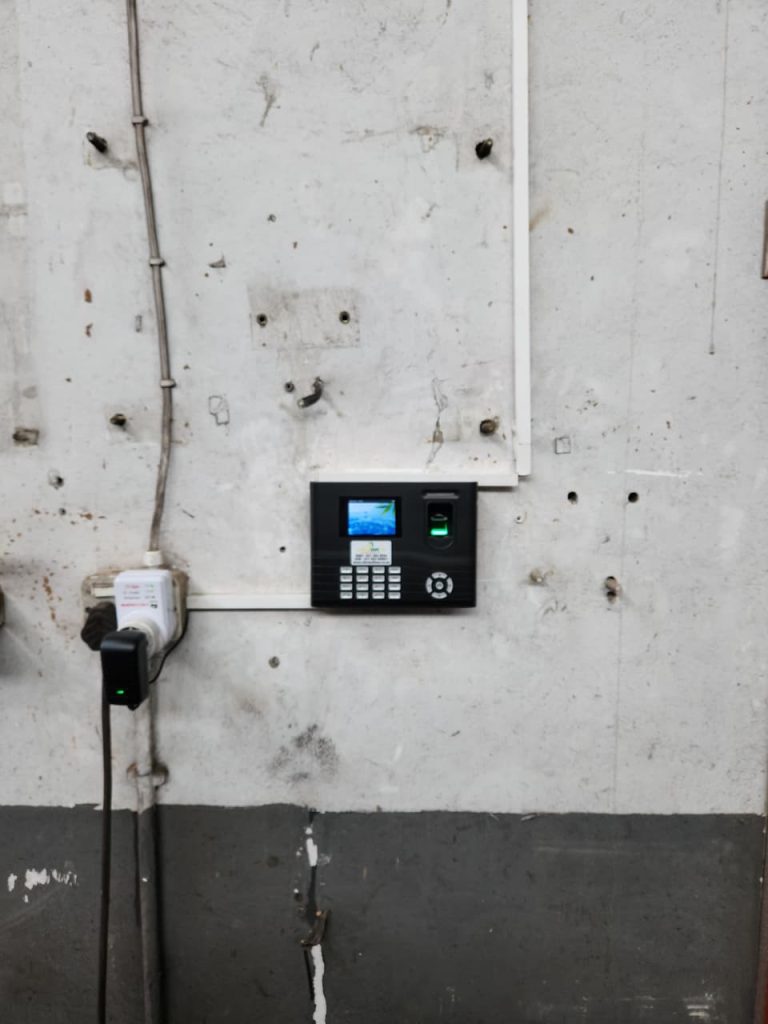
Biometric Time & Attendance Solutions
Biometric Time & Attendance Solutions
Biometric time and attendance solutions use your unique physical traits, like fingerprints or facial recognition, to streamline how you manage employee attendance. These systems enhance accuracy by eliminating buddy punching and minimizing time theft. They can simplify payroll processes and provide real-time insights for better staffing decisions. With various options available, including fingerprint and facial recognition systems, you can find the right fit for your needs. There’s more to explore about how these systems can transform your attendance tracking.
Key Takeaways
- Biometric time and attendance solutions utilize unique physical traits to ensure accurate employee identification and attendance tracking.
- These systems minimize time theft and buddy punching, leading to reliable attendance records.
- Common biometric methods include fingerprint recognition, facial recognition, and iris scanning, each offering varying levels of security and convenience.
- Implementation involves assessing current processes, selecting suitable technology, and training employees for effective adaptation.
- Address privacy concerns by ensuring data security, transparency, and compliance with regulations while fostering trust in the system.
Understanding Biometric Technology
Biometric technology is transforming the way organizations track employee attendance and enhance security. You’ll find that this technology utilizes unique physical characteristics, like fingerprints, facial recognition, and iris scans, to verify identity. Instead of relying on traditional methods like punch cards or passwords, biometric systems provide a more accurate and efficient approach. You’ll appreciate how these systems minimize time theft and buddy punching, ensuring that attendance records are precise. When you engage with biometric solutions, you’re embracing a method that not only streamlines processes but also fortifies security measures. Each time you use a biometric device, you’re contributing to a more secure and reliable attendance system that benefits both you and your organization. Remember, accuracy is key in today’s fast-paced work environment.
Benefits of Biometric Time & Attendance Systems
When it comes to improving workforce management, biometric time and attendance systems offer a range of compelling benefits. First, they enhance accuracy by eliminating buddy punching and reducing time theft. You can trust that the data collected reflects true employee attendance. Second, these systems streamline the payroll process, saving you time and minimizing errors associated with manual entry. They also provide real-time insights into attendance patterns, allowing you to make informed staffing decisions. Furthermore, biometric systems can improve employee accountability, as staff members know their attendance is being tracked precisely. Finally, implementing such a system can boost overall productivity, as employees spend less time on clocking in and out, leading to a more efficient workplace.
Common Types of Biometric Systems
While various biometric systems exist, each type offers unique features suited for different workplace environments. Fingerprint recognition is the most popular option; it’s reliable and easy to use. Facial recognition systems have gained traction, thanks to advancements in technology, providing a contactless approach. Iris recognition offers an even higher level of accuracy, making it ideal for high-security areas. Voice recognition systems are also available, allowing employees to clock in using their voice, which can be convenient in certain settings. Finally, palm vein recognition combines ease of use with high security by scanning the unique patterns in your palm. Each of these systems can enhance your time and attendance tracking while ensuring security and efficiency in your workplace.
Implementation Process for Biometric Solutions
Implementing biometric solutions in your organization requires careful planning and execution to ensure a smooth transition. Start by assessing your current attendance processes and identifying specific needs. Next, choose the right biometric technology that fits those needs, whether it’s fingerprint, facial recognition, or iris scanning. After that, create a detailed implementation plan outlining timelines, responsibilities, and milestones.
Engage your employees early on, providing training and resources to ease their adaptation. Install the necessary hardware and software, and run tests to troubleshoot any issues before going live. Finally, monitor the system’s performance post-implementation, gathering feedback to make continuous improvements. This proactive approach will ensure your biometric time and attendance system enhances productivity and efficiency in your organization.
Addressing Privacy Concerns
How can organizations effectively address privacy concerns surrounding biometric time and attendance solutions? First, be transparent about data collection. Inform employees about what data is collected, how it’s used, and who has access to it. Implement strong security measures to protect biometric data, including encryption and secure storage. Regularly review and update security protocols to stay ahead of potential threats.
Additionally, ensure compliance with local and international privacy regulations. Provide employees with options to opt out or choose alternative methods if they’re uncomfortable with biometric systems. Encourage open communication, allowing employees to voice concerns and ask questions. By fostering a culture of trust and respect, you’ll help alleviate fears surrounding privacy and create a more accepting environment for biometric solutions.
Comparing Biometric Solutions to Traditional Methods
As organizations seek to enhance their time and attendance tracking, comparing biometric solutions to traditional methods reveals significant advantages. Biometric systems, like fingerprint or facial recognition, eliminate buddy punching and time theft, ensuring accurate records. In contrast, traditional methods, such as punch cards or manual entry, are prone to errors and manipulation.
With biometrics, you get real-time data and automated reports, streamlining payroll processes and reducing administrative workload. Additionally, these systems often require less training compared to traditional methods, allowing employees to adapt quickly. While upfront costs may be higher, the long-term savings from increased efficiency and reduced fraud make biometrics a smart investment. Ultimately, embracing biometric solutions can transform your attendance management and enhance overall productivity.
Future Trends in Biometric Attendance Systems
The shift toward biometric attendance systems is only expected to gain momentum as technology continues to evolve. You’ll see increased integration of artificial intelligence, making these systems smarter and more adaptable to varying workplace environments. Touchless biometric options, like facial recognition, will likely become the norm, enhancing hygiene and user convenience. Moreover, the incorporation of mobile devices will enable employees to clock in and out seamlessly, no matter where they are. Data analytics will also play a crucial role, providing insights into attendance trends and employee behavior. As privacy concerns grow, expect advancements in secure data storage and compliance with regulations. Staying updated on these trends will help you leverage biometric attendance systems to their fullest potential.
Frequently Asked Questions
Can Biometric Systems Work in Extreme Weather Conditions?
Yes, biometric systems can work in extreme weather conditions, but their effectiveness may vary. You’ll want to choose models designed for temperature extremes and moisture resistance to ensure reliability in harsh environments.
How Do Biometric Systems Handle Multiple Shifts in a Day?
Biometric systems efficiently manage multiple shifts by allowing employees to clock in and out according to their schedules. They automatically record attendance data, ensuring accurate tracking regardless of shift changes or overlapping work hours.
Are Biometric Systems Compatible With Existing HR Software?
Yes, biometric systems often integrate seamlessly with existing HR software. You can streamline attendance tracking and payroll processes, ensuring everything runs smoothly. Just check compatibility before implementation to maximize efficiency and effectiveness in your operations.
What Happens if a Biometric Device Malfunctions?
If a biometric device malfunctions, you’ll likely experience delays in clocking in or out. It’s essential to have a backup method for tracking attendance, ensuring your records stay accurate despite any technical issues.
How Do You Ensure Data Security in Biometric Systems?
You ensure data security in biometric systems by implementing encryption, regularly updating software, controlling access, and conducting audits. Always monitor for vulnerabilities and educate users about safe practices to protect sensitive information effectively.
In today’s fast-paced world, adopting biometric time and attendance solutions can streamline your workforce management and enhance security. By understanding the technology and its benefits, you can make informed decisions tailored to your needs. While addressing privacy concerns is crucial, the advantages often outweigh the drawbacks. As biometric systems continue to evolve, staying ahead of trends will ensure you maximize efficiency and accuracy in tracking employee attendance. Embrace the future and revolutionize your attendance processes today!