
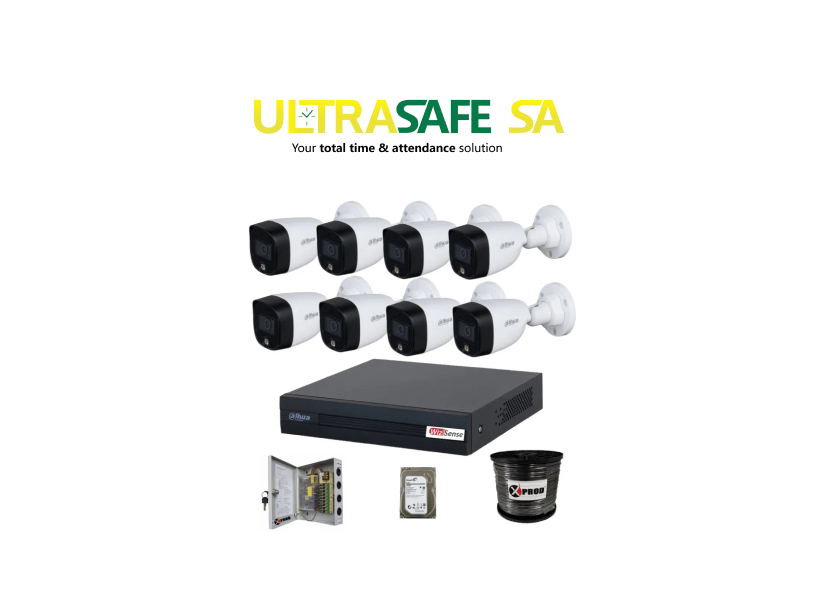
Choosing the Right CCTV System Supplier
A Practical Guide to Warehouse Security Systems Denver
Managing a busy warehouse, distribution centre, or industrial facility comes with constant operational pressure. Between coordinating staff shifts, receiving deliveries, managing inventory, and ensuring dispatches leave on schedule, facility managers already have plenty to oversee.
Security should not be another unpredictable concern.
High-value stock, expensive equipment, sensitive records, and busy loading areas can all create security challenges when access points are poorly controlled. Unsecured gates, unmonitored doors, outdated entry systems, and uncontrolled pedestrian movement can leave industrial properties exposed.
Modern warehouse security systems Denver businesses use demonstrate an important principle: effective security is not simply about installing cameras. A reliable strategy combines physical barriers, controlled access, workforce management, monitoring, and clearly defined entry procedures.
For warehouses and industrial facilities in Germiston and the surrounding East Rand, these principles can provide a useful framework for improving day-to-day site security in 2026.
Designing Warehouse Security Systems for Industrial Facilities
Effective warehouse security starts at the perimeter.
Industrial properties need to accommodate employees, delivery drivers, contractors, customers, and heavy vehicles without allowing unrestricted movement throughout the site. Establishing controlled entry points helps separate legitimate traffic from areas that should remain restricted.
Heavy-duty gates, automated vehicle barriers, pedestrian access points, and perimeter fencing can form the first layer of protection. Vehicle entrances can be equipped with controlled access technology so that authorised employees and approved visitors can be identified before entering operational areas.
Inside the warehouse, access control should reflect the value and sensitivity of different areas.
High-value stock rooms, server areas, equipment storage, offices, and restricted workspaces should not necessarily have the same access permissions as general warehouse areas. Electronic access control provides a practical way to restrict these zones while creating an auditable record of entry.
This combination of physical security and controlled access gives management greater visibility over who enters specific areas and when.
Managing Busy Loading Docks and Storage Areas
Loading docks are among the most active areas of a warehouse. Trucks arrive throughout the day, contractors move between vehicles and buildings, and employees may be moving pallets or operating forklifts.
That activity can make it difficult to distinguish authorised movement from potential security risks.
A well-designed security plan can incorporate several practical controls:
- Controlled dock access: Restrict access to loading areas to authorised employees, drivers, and approved contractors.
- Driver staging areas: Provide designated spaces where visiting drivers can wait without gaining unnecessary access to warehouse operations.
- Perimeter detection: Use appropriate sensors and monitoring solutions to identify unusual movement after hours.
- Clear signage: Mark employee-only areas, delivery routes, visitor zones, and restricted sections.
- Pedestrian controls: Separate staff walking routes from vehicle and loading traffic wherever practical.
The objective is not to make warehouse operations more complicated. Good security design should make the correct movement pattern easMinifyier for employees and visitors to follow.
Combining Physical Barriers With Access Control
Electronic security systems are powerful, but physical security remains an important part of protecting an industrial property.
An access reader cannot compensate for a damaged gate, weak door frame, inadequate fencing, or poorly maintained locking mechanism. The physical infrastructure needs to support the technology.
Industrial facilities can benefit from robust fencing, reinforced gates, secure pedestrian entrances, industrial locking hardware, and properly installed access points.
Automated gates can also improve operational consistency. Instead of relying on employees to manually open, close, and secure gates throughout the day, controlled automation can help standardise vehicle entry and exit procedures.
Regular maintenance is equally important. Gates should be checked for alignment, locking performance, mechanical wear, and damage. A security system is only as reliable as its weakest physical component.
Why Access Control Matters in Warehouse Security
One of the biggest advantages of modern access control is accountability.
Traditional keys can be lost, copied, or shared between employees. When an employee leaves the company, recovering every key can also be difficult.
Electronic access control provides a more manageable alternative. Depending on the system selected, businesses can use credentials such as cards, PINs, fingerprints, or facial recognition to control access.
Permissions can be assigned according to employee roles. For example, warehouse staff may have access to general operational areas while management, IT personnel, or authorised supervisors receive access to restricted rooms.
This creates a more structured security environment while reducing dependence on physical keys.
For larger operations, access control can also be integrated with workforce management and attendance systems, helping businesses maintain better oversight of employee movements and working hours.
Real-World Warehouse Security Considerations
Warehouse security problems are not always the result of sophisticated break-in attempts. Sometimes, vulnerabilities develop through ordinary workplace habits.
A side door may be left open during a busy shift. Employees may allow someone to follow them through a controlled entrance. A manual gate may remain open because repeatedly securing it slows down vehicle movement.
These small weaknesses can gradually undermine an otherwise strong security strategy.
A practical site assessment should therefore consider how people actually move around the property rather than focusing only on the equipment being installed.
For example, a warehouse may benefit from:
- Automated perimeter gates that control and record vehicle access.
- Pedestrian access control that reduces unauthorised entry and tailgating.
- Restricted internal areas for valuable inventory and sensitive equipment.
- Integrated workforce systems that improve employee attendance and access visibility.
- Regular security inspections to identify damaged gates, fencing, locks, or access points.
The most effective system is one that works naturally alongside daily operations.
Frequently Asked Questions
What are the core components of effective warehouse security systems?
A comprehensive warehouse security strategy can combine perimeter fencing, automated gates, access control, pedestrian management, electronic locking systems, monitoring equipment, and appropriate workforce procedures. The exact combination should depend on the property’s layout, operational requirements, and security risks.
How do automated access gates help protect warehouse facilities?
Automated gates provide a controlled checkpoint for vehicles entering and leaving the property. When combined with access credentials or other identification methods, they can help restrict unauthorised vehicle movement and provide greater visibility over site access.
Can security systems be installed in older warehouses?
Yes. Modern access control and security equipment can often be integrated into existing industrial properties. A site assessment can identify suitable locations for new gates, readers, locks, barriers, and other security equipment without requiring a complete redesign of the facility.
How often should warehouse security equipment be inspected?
High-use gates, access points, locks, barriers, and related equipment should be inspected regularly. The appropriate schedule depends on usage, environmental conditions, equipment type, and manufacturer recommendations. Routine maintenance can identify mechanical or electronic problems before they become security failures.
Building a More Secure Warehouse Environment
Protecting a warehouse is about more than responding after an incident occurs. A proactive approach combines physical security, controlled access, workforce management, and sensible site procedures to reduce vulnerabilities before they become problems.
From perimeter gates and pedestrian access points to biometric systems and workforce attendance technology, modern security solutions can help industrial businesses create greater control over who enters their facilities and when.
For businesses operating in Germiston, Wadeville, Alberton, Bedfordview, and the wider Johannesburg area, ULTRASAFE can help assess practical security requirements and identify solutions suited to the facility.
If your warehouse has uncontrolled access points, outdated entry systems, or gaps in workforce monitoring, now is a good time to review your existing security infrastructure.
Ready to strengthen your warehouse security? Contact ULTRASAFE to discuss access control, barriers, workforce management, and other security solutions for your industrial facility.